Shingwedzi Rest Camp
Kruger National Park, South Africa
Shingwedzi Rest Camp
Kruger National Park, South Africa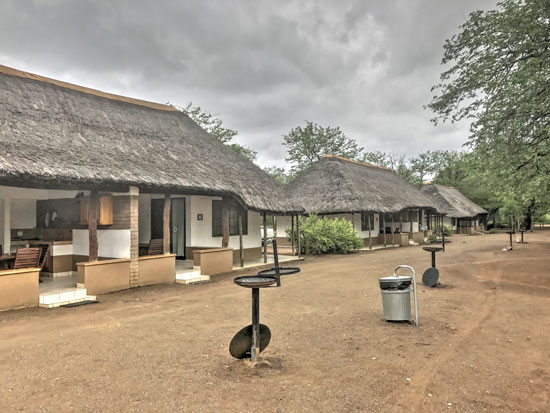
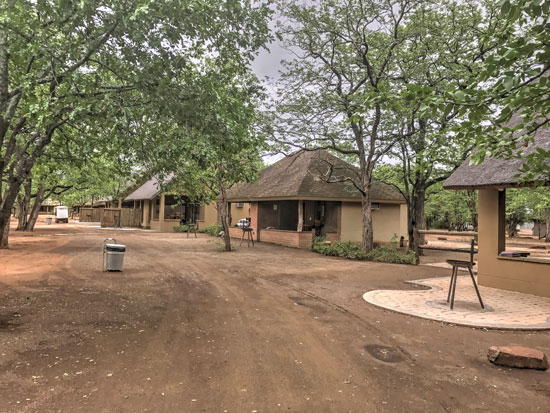
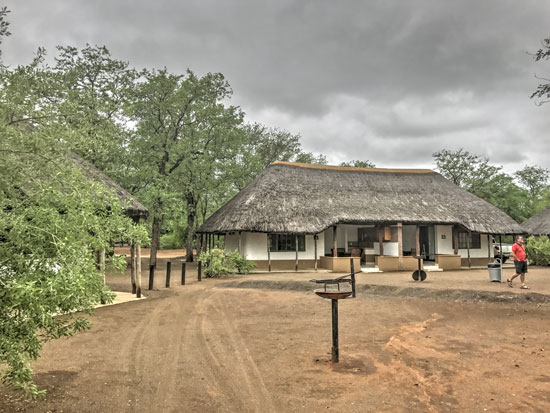
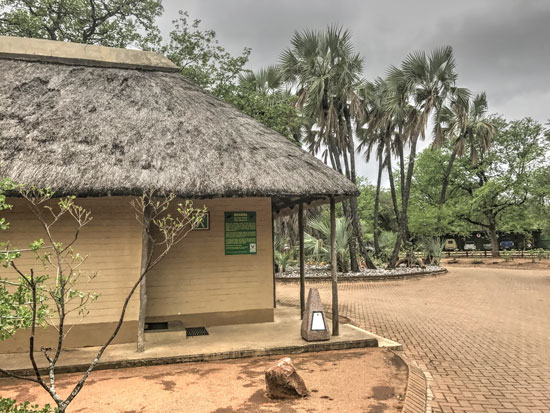
Shingwedzi Rest Camp in the northern Kruger National Park, has been constructed on the banks of the Shingwedzi River in an area of sparse grass and less dense vegetation.
Shingwedzi Rest Camp at a Glance
- Accommodation - 7 bed Guest House
- 4 bed Guest Cottage
- 2 & 3 bed Bungalows
- Private bathrooms en suite
- Air-conditioned
- 3 bed Hut.
- Restaurant
- Swimming pool
- Game drives and nature walks.
- Picnic sites.
- Camp sites
Make an Enquiry or Booking
Accommodation at Shingwadzi Rest Camp
- 7 bed Rentmeester Guest House has 3 en-suite bedrooms, fully equipped kitchen and communal lounge living room and veranda.
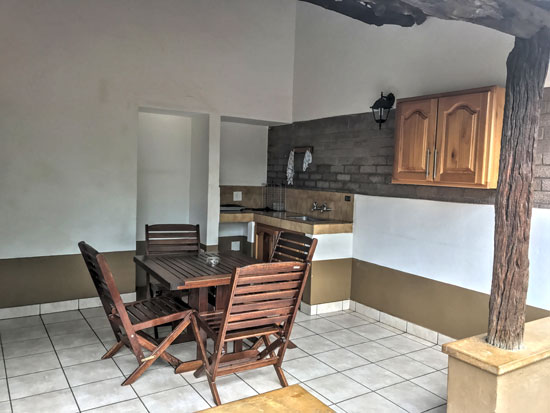
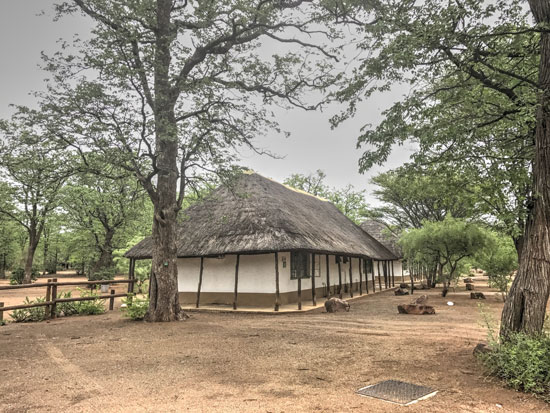
- 4 bed Guest Cottages with 2 bedrooms, 2 bathrooms (one en-suite) and fully equipped kitchen.
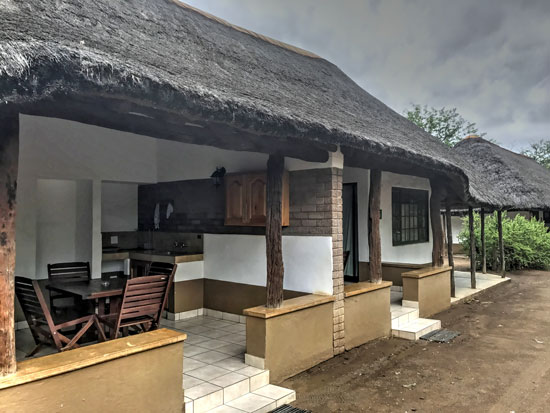
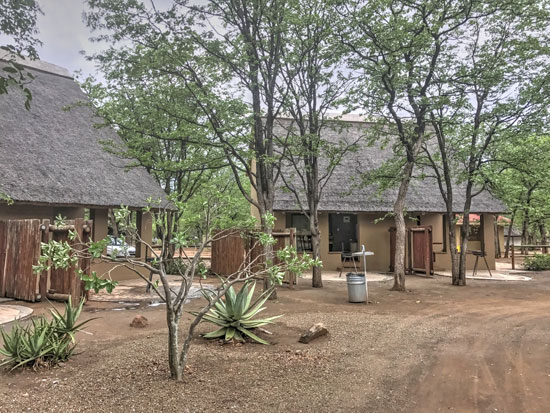
- 2/3 bed Bungalow + 2 mattresses in loft, bathroom (bath/shower), fridge, hotplate and sink.
- 2 bed Bungalow with bathroom (shower) and fridge, using communal facilities.
- 3 bed Hut with fridge and veranda using communal ablution/kitchen facilities.
- Caravan and camping sites have communal ablution and kitchen facilities.
All units are serviced daily and supplied with bed linen, towels and soap.
Activities at Shingwedzi Rest Camp
Game can be sparse in the stretches of Mopani shrub-veld in this region, with areas of the Shingwedzi River which are better for game. Predators in the area include Lion, Leopard and Spotted Hyena and there are Wild Dog that roam these northern areas of the Kruger National Park. There are plains north of the Babalala Picnic Site where cheetah are regularly seen. This is a good place to search for the rare larger antelope species such as roan and sable antelope, with tsessebe, eland and Lichtenstein's hartebeest.
Shingwedzi has excellent bird-life. Kanniedood Dam hosts many interesting species. Storks (openbilled, yellowbilled, saddlebilled and woolynecked) are relatively common. The hide is a good spot to see black crake and African jacana at close quarters.
Make an Enquiry or Booking
 |
 |
 |
 |
 |
 |
 |